As a founder, your most important job is managing your resources to achieve your vision. Capital is an important resource, as is your team. And your single most precious resource, the one no amount of funding buys more of, is your own time.
We help you reduce customer acquisition costs, provide a 360° marketing overview to get some of your invaluable time back, and an Expert in the Loop™ who validates every decision before it costs you.
ROI FACTORY engineers data-driven strategies and performance marketing systems optimized for start-up founders and CMOs.
We collect and unify your data, analyze, and recommend improvements that will accelerate your growth.
Seed through Series A. Build the marketing your next stage needs: a clear cost to win each customer, a sales pipeline you can measure, and reports you can take to your board.
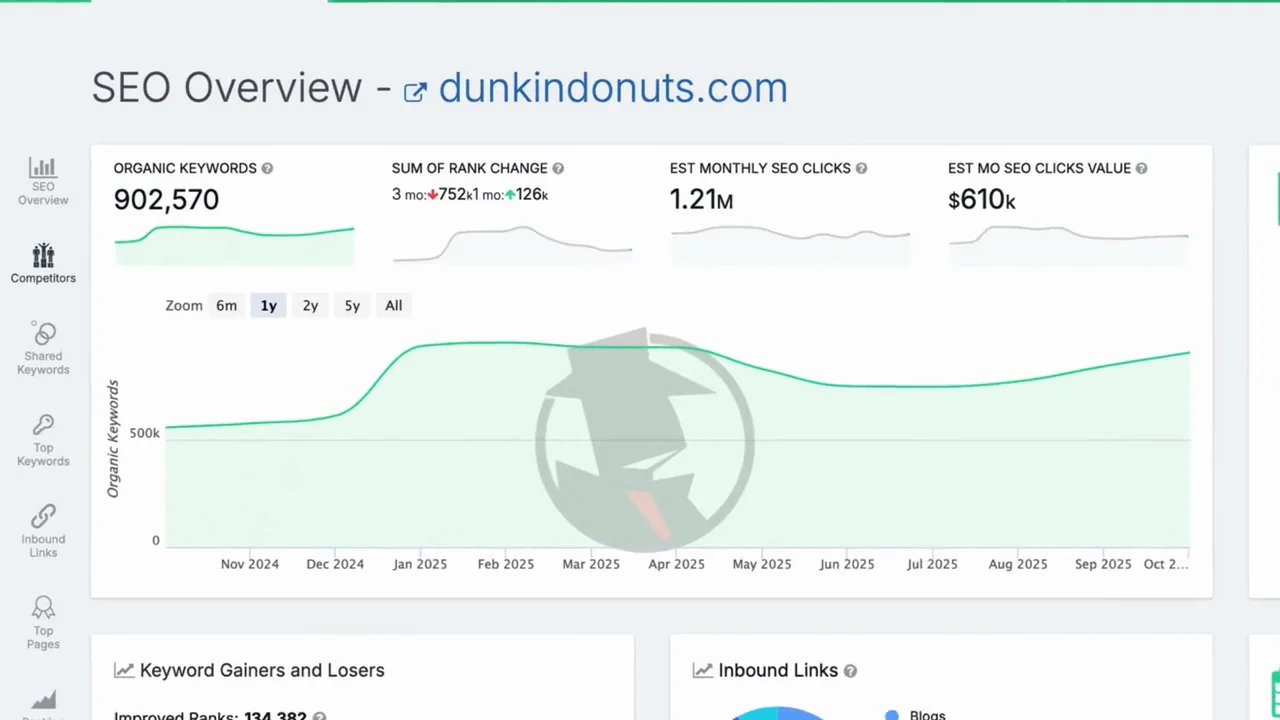
We identify competitors, both known and hidden, and research how they market, where they spend, and which Google searches they’ve been winning over time.
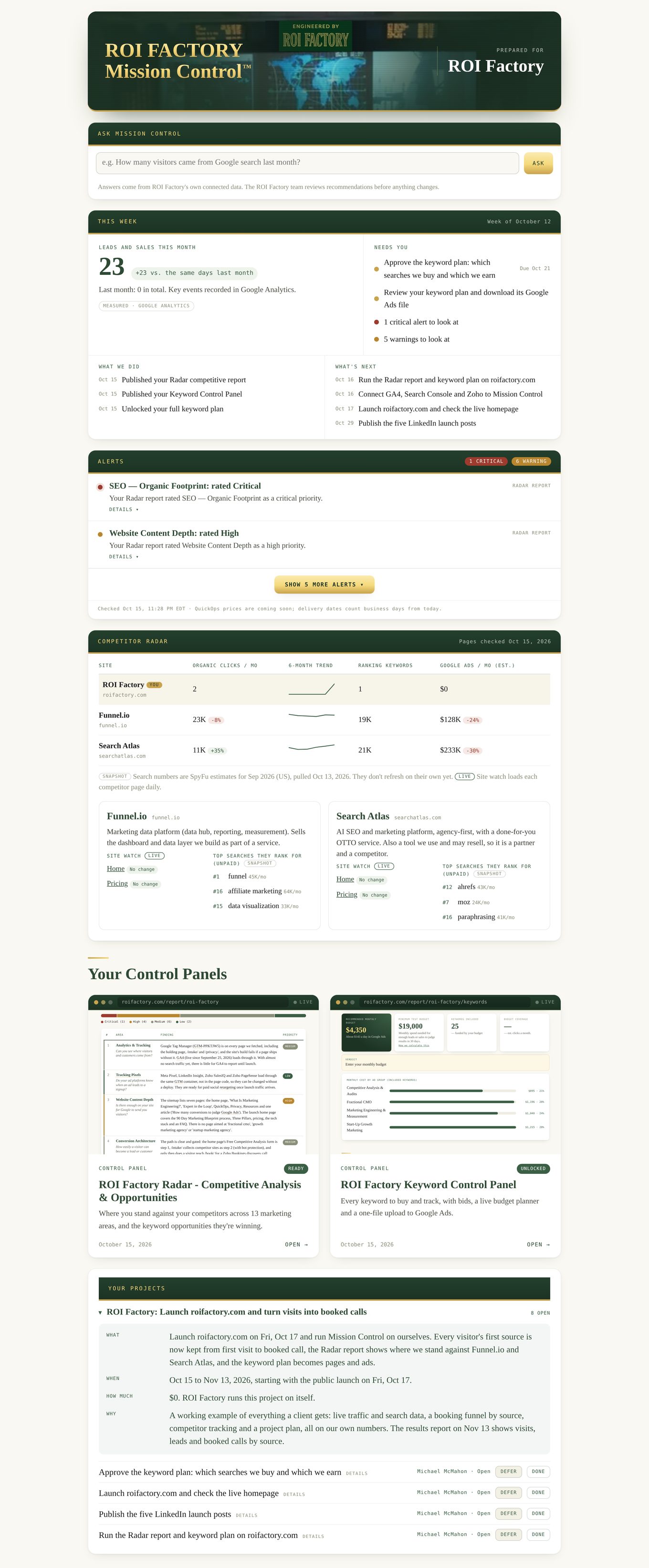
We review the marketing tools you already use, make sure every lead and sale gets counted, and launch your ROI Factory Mission Control™ center with interactive dashboards and Control Panels.
You leave with a clear, prioritized action plan. Your biggest opportunities, the searches worth paying for, how to split your ad budget, and a step-by-step plan ready to hand off to whoever does the work.
We watch your results and meet with you every two weeks through the Blueprint's 90 days. Each review ends with concrete next steps, so your return keeps improving.
The 90 Day Marketing Blueprint starts at $7,500 and includes ROI Factory Mission Control™ Professional for the full 90 days. Afterward, continue ROI Factory Mission Control™ at the tier that fits.
We'll find out how your competitors market themselves, point out the openings they've left you, and send you the report, free of charge.
You've built a great product. Now it's time to engineer a growth plan.
All relationships begin with a good conversation. We'll review the report's recommendations and talk about how they fit your current plans.
Next steps after the meeting will be to build out your ROI Factory Mission Control™, adding your data to improve the analyses.
We don’t sell marketing dashboards. We sell the answer to ‘what should we do next and why.’
Know what’s working. Know what’s not. Know what to do next.
One private page for your marketing. You sign in with your email, no password needed, on your computer or your phone.
Essential’s ad tuning covers one Google Ads account.
Setup from $1,500, priced to what each client needs.
Book a Discovery CallEvery project is built on the same foundations that powered growth for some of the most results-driven companies online.
Agencies create ad campaigns. We engineer growth. Starting with your numbers and what your competitors are doing, we find where each dollar can do the most, then build a measurable plan around it, so the cost to win a customer, what each customer is worth, and your sales pipeline become numbers you manage rather than hope for.
Missing or bad data doesn’t just waste money — it can accelerate the wrong decisions. We pull your scattered marketing data into one set of dashboards built to help you decide. Every channel, every dollar, every lead and sale — tracked, credited to what caused it, and tied to your sales pipeline.
What works best today can stop working tomorrow. So we keep checking: automatic improvements run between reviews, an expert checks every change, and every test is designed to settle a question with data. New channels and tactics earn budget only after they’ve been tested against what already works.
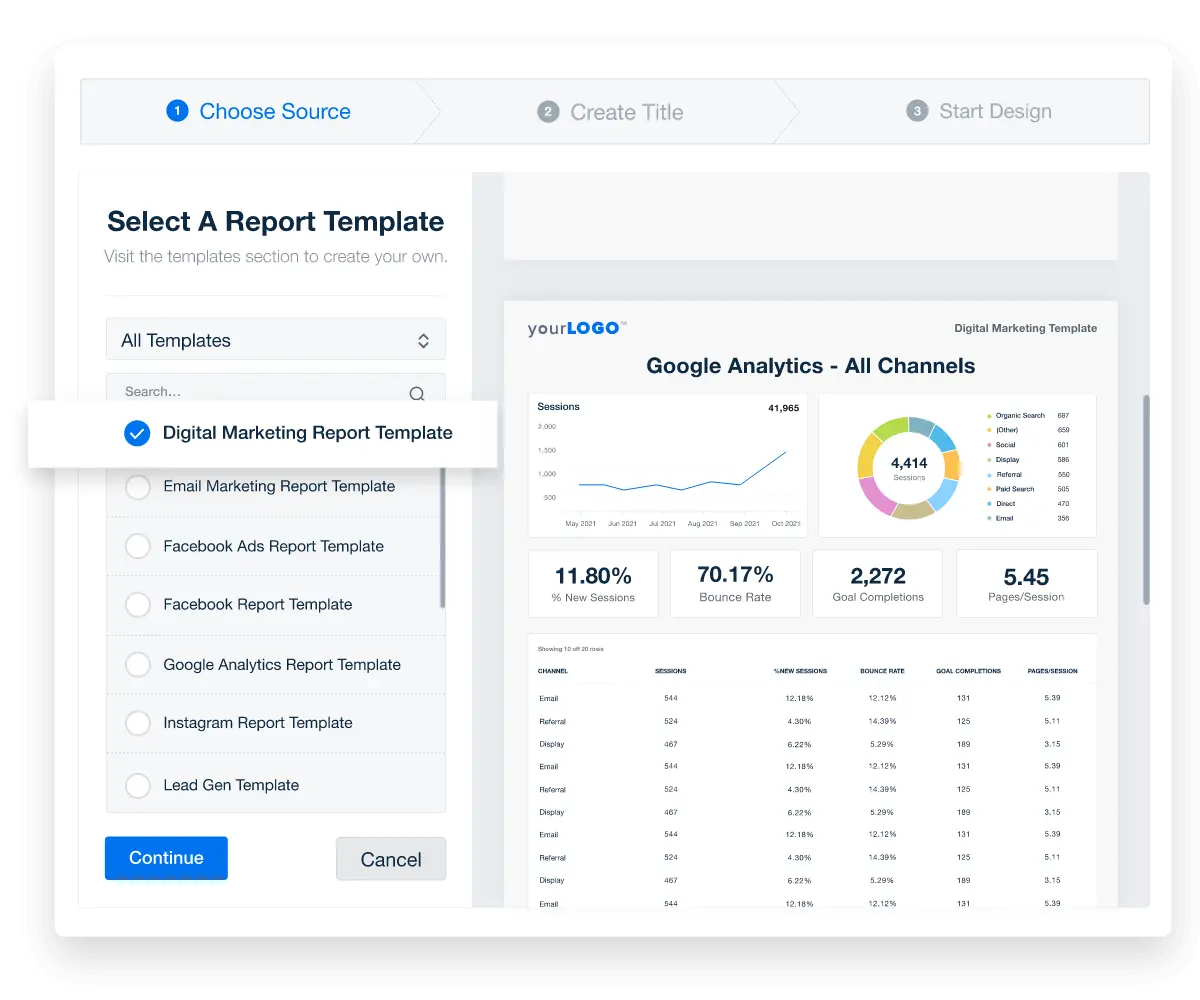
Not intentionally. But without the right infrastructure, the right integrations, and the right interpretation, your dashboards are showing you a story that’s incomplete at best, and misleading at worst. ROI Factory builds the system that turns your marketing data into decisions.
“Statistics are like bikinis. What they reveal is suggestive, but what they conceal is vital.”
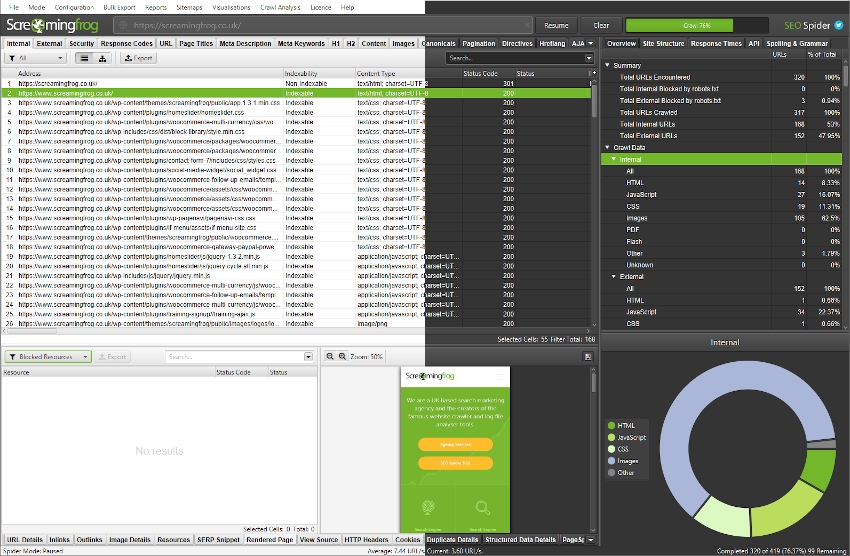
GA4, Search Console, Google Ads, Semrush, and a crawl tool don’t talk to each other on their own. Connecting them takes setup skills most marketing teams don’t have — and the connections break without warning whenever those platforms change.
For a small marketing team, keeping the reports running can eat hours every month — before anyone learns a thing from them. At any reasonable value of your time, the math doesn’t work. You’re paying more to build the report than the report is delivering.
The number that looks fine is often the one that’s broken. Lead tracking that’s set up wrong, traffic inflated by bots, two of your own pages competing for the same search — none of it shows on a standard dashboard unless you know where to look.
Free tools can’t tell you that a competitor just started bidding on your brand terms, that a key search in your market just got harder to win, or where you’re losing ground in Google’s free results. Keeping tabs on competitors takes a setup most companies never build.
Your ads, search, and analytics data unified into a single view that doesn’t contradict itself. ROI Factory connects your sources, makes them agree, settles how each sale gets credited, and gives your whole team one set of numbers to act on.
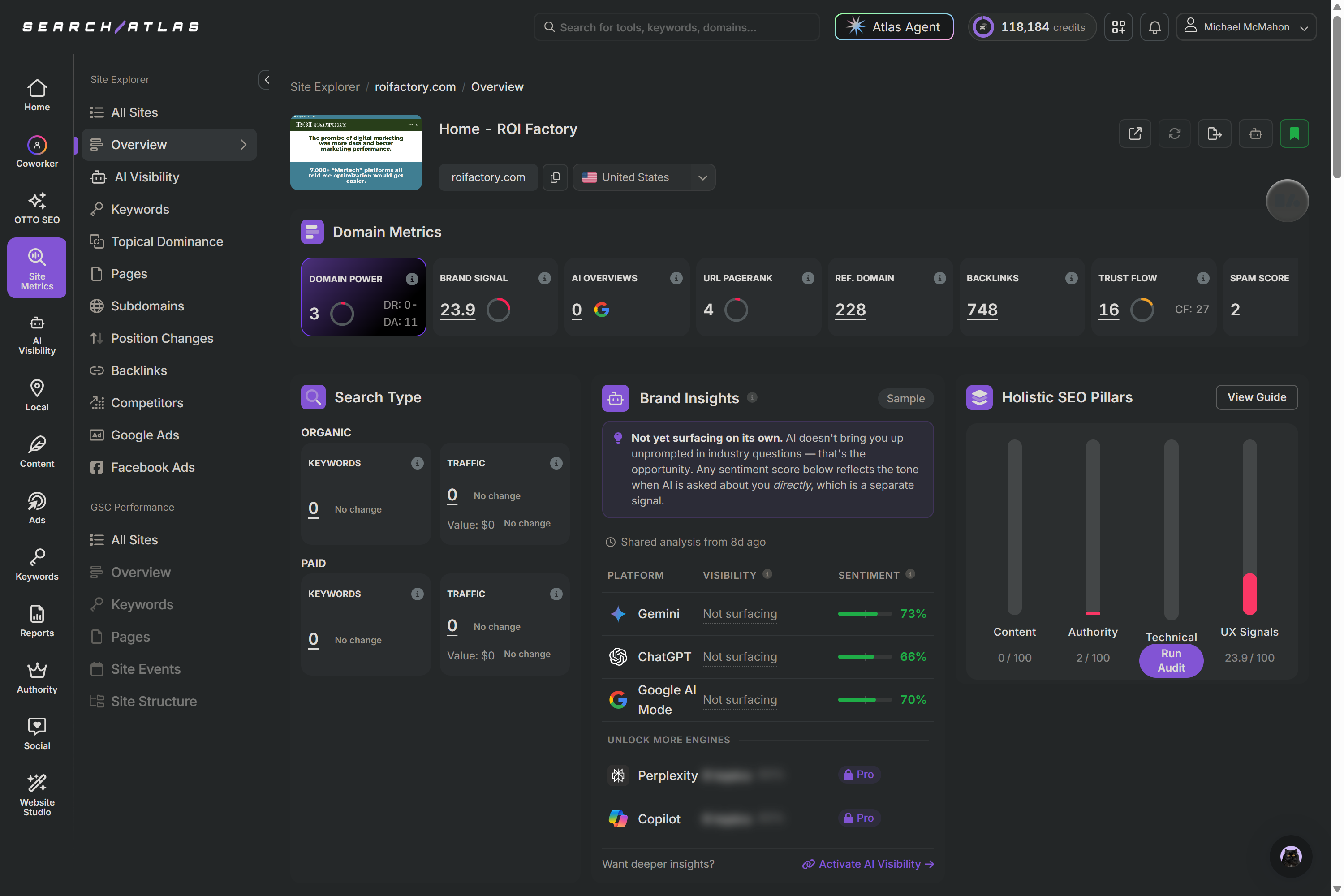
Your dashboard includes what your competitors are spending, bidding on, and ranking for — via Search Atlas and SpyFu, so your monthly report shows the searches they win that you don’t, estimates of their ad spend, and how your share of attention compares over time.
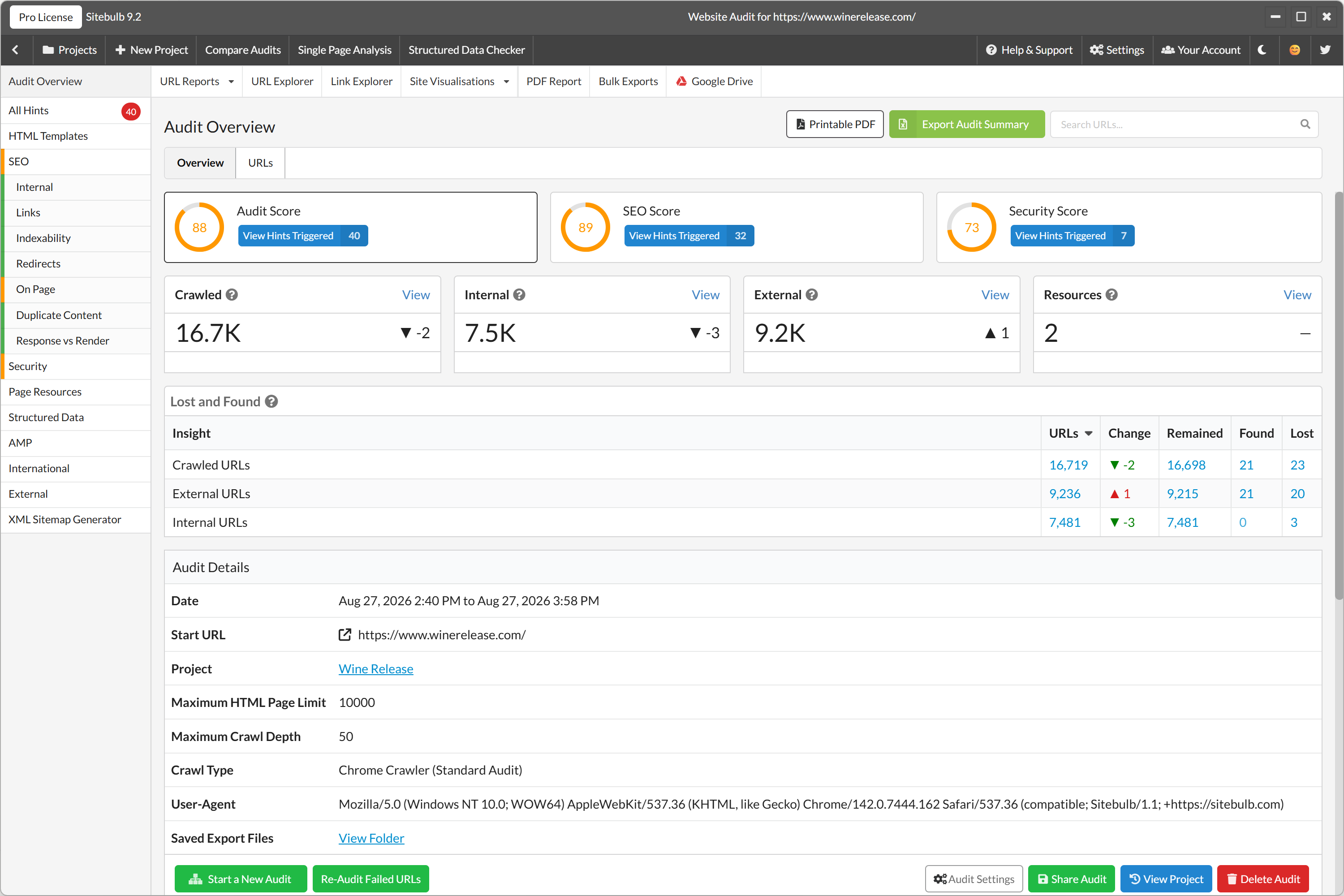
An expert analyst reviews your data every month before you do — a scan of your site for technical problems, a check that leads and sales are counted correctly, and a look for odd swings in the numbers, before your written summary is drafted. You’re not flying blind, we’ve got your back. Every review is led by Michael McMahon. Software tells you what happened. We tell you whether to believe it, why it matters, and what to do next.
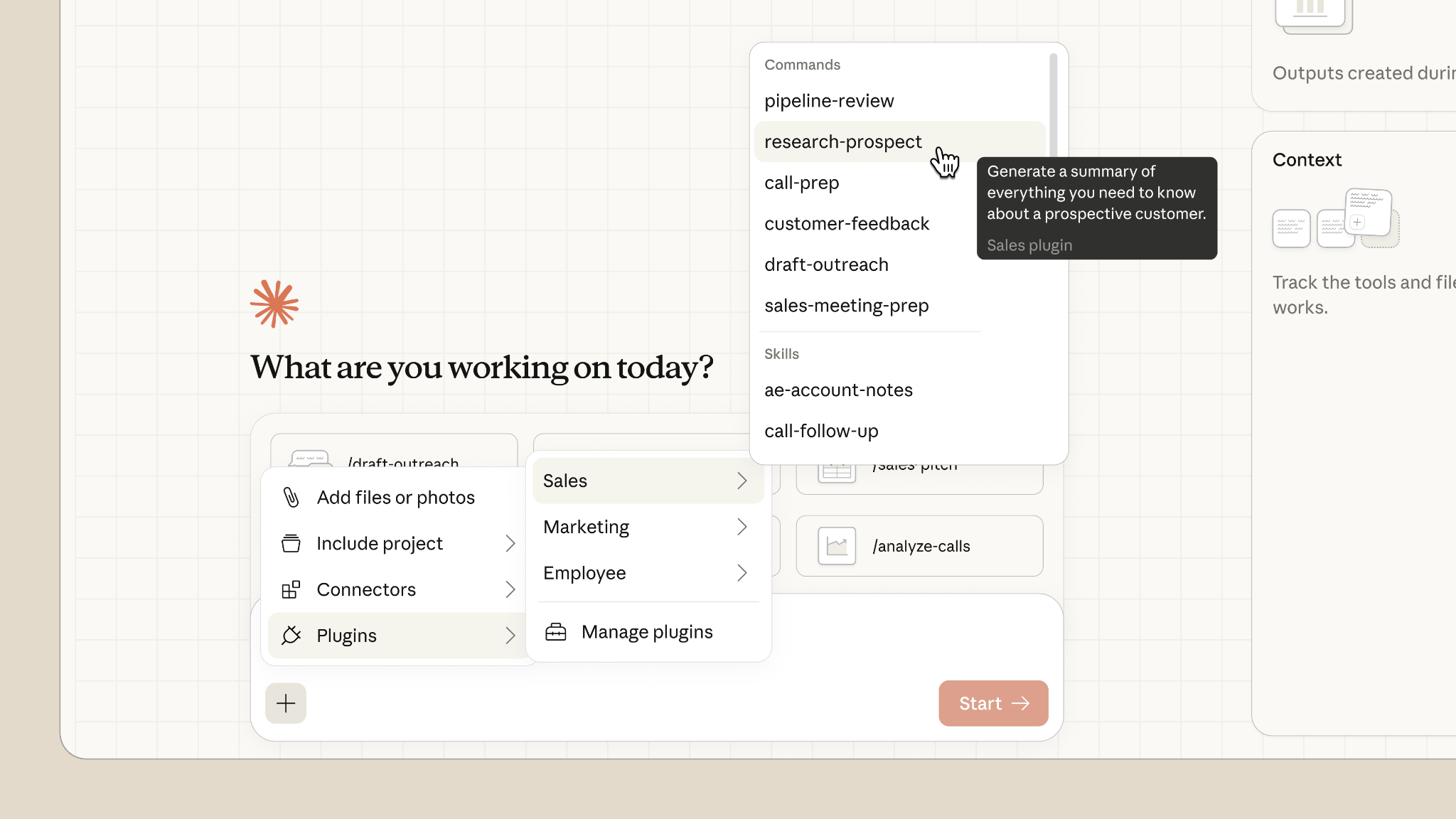
Every report includes clear answers to: what happened, why it happened, and what to do about it. You don’t need to be a data analyst to use it. That’s the point. And the built-in AI assistant lets you ask questions about your data in plain English and get answers right away.
Big-company tools, set up and maintained without big-company costs. When platforms update, we update. When connections break, we fix them.
A nonprofit's main tracking signal was firing at the wrong times, so Google Analytics was counting activity that didn't match what visitors actually did. We fixed the setup and checked the numbers before they reached a report.
A business software company showed up on Google for 228 searches, but much of that was a name mix-up: Google read it as an 'ops' brand, not a task-management product, and its closest 'competitors' in Google's free results were companies it never competes with. A standard dashboard reports that as visibility.
Another client spent $5,000 a month on ads in a category where the most popular searches cost $32–$67 a click — about 150–170 clicks. The recommendation: shift effort to content for buyers already comparing options, and merge duplicate pages already on Google's page two, so they rank higher in free results and cut the paid ad bill.
Not a software vendor. Not tied to any platform. Every tool earns its place every week.
Our current partners. Not our products.
ROI Factory isn’t a software vendor or developer (we tried that once!). We constantly test and evaluate tools and applications across clients. These are the tools we trust today to enable us to deliver the best ROI for our clients.
Independent by design. We’re not a software company, and we don’t lock you into one provider. That freedom allows us to choose the best tools for your business and switch when a better option becomes available.
Do you sell your own software?
No. ROI Factory is a marketing engineering firm, not a software vendor or developer. We build on the best available tools and review every recommendation by hand. Any small utilities we create exist to serve clients, never as products to sell. If we ever earn a referral fee from a partner, we disclose it.
Michael McMahon has spent 30 years turning new channels into growth engines, often before the playbook existed.
In the very first days of online advertising, McMahon was Director of Direct and Digital Marketing at Anderson & Lembke, where he worked with Ken Schneider, Jodi DeLeon and Tony Liano to launch The Microsoft Network and with John Zagula and his team to co-launch Windows 95 and Office 95.
In September 1996 he launched Left Field, one of the first performance marketing agencies. He won two marquee accounts, Amazon.com and Bank of America, on his first day, before he’d even hired his first employee. That resulted in brother Sean being evicted from the basement and three guys managing some of the world’s largest digital brands via a single dial-up modem!
Amazon had 50 employees and was still private. Michael worked with Jeff Bezos and his team, including Jodi Liano and Leslie Koch to design and execute customer acquisition campaigns across all media channels.
Bank of America was just launching their online advertising, and retained Michael to consult on digital marketing and to manage their online media and analytics.
Around the same time, McMahon worked with Kimbal and Elon Musk to launch Zip2, while the brothers and their business partner, Greg Khouri, operated out of a Palo Alto apartment. He continued advising the company as it grew, working with the marketing team under VP of Marketing Teresa Kersten and later Rita Belle Cunningham.
At Levi’s, Robert Hanson, Heidi O’Neill, and Alice Rennhoff hired Michael to consult on the expansion of the storied brand into the new digital marketplace.
Hotmail had four employees and a media budget of roughly $1,000/month when Sean Fee and his team retained Left Field. They grew to a $20 million/year client for whom we managed all forms of both online and offline advertising.
McMahon consulted with Google, working with former San Jose Mercury News client Doug Edwards on how Google should structure its advertising business and work with agencies and advertisers, years before AdWords became the engine of the internet economy.
These weren’t supporting roles. They were founding conversations with people who built their vision and were ready to accelerate growth.
In August 1999, after three years of explosive growth and expansion, Left Field made a decision that surprised the industry: they resigned the Amazon.com and drugstore.com accounts. (You would need to ask Michael for the reasons.) The move was notable enough that it was covered by both the NY Times and Adweek.
Later that year, the Left Field partners split, and Exile on Seventh emerged as McMahon’s new agency. Exile grew into a “proudly independent” 85-person, $90 million agency with offices in SF and Atlanta. Though hit by client losses, the agency remained profitable throughout the dot com collapse and McMahon ultimately sold to Omnicom’s Agency.com group.
In the following years, he:
The release of ChatGPT was a revelation. With AI, Michael was finally able to build the marketing engineering consultancy he’d been anticipating for years, from analytics and optimization to designing automated workflows and data-driven creative tests.
And here we go again…
No pitch. No pressure. Tell us what’s on your mind.
Oh, no bots, either. A real person will answer.